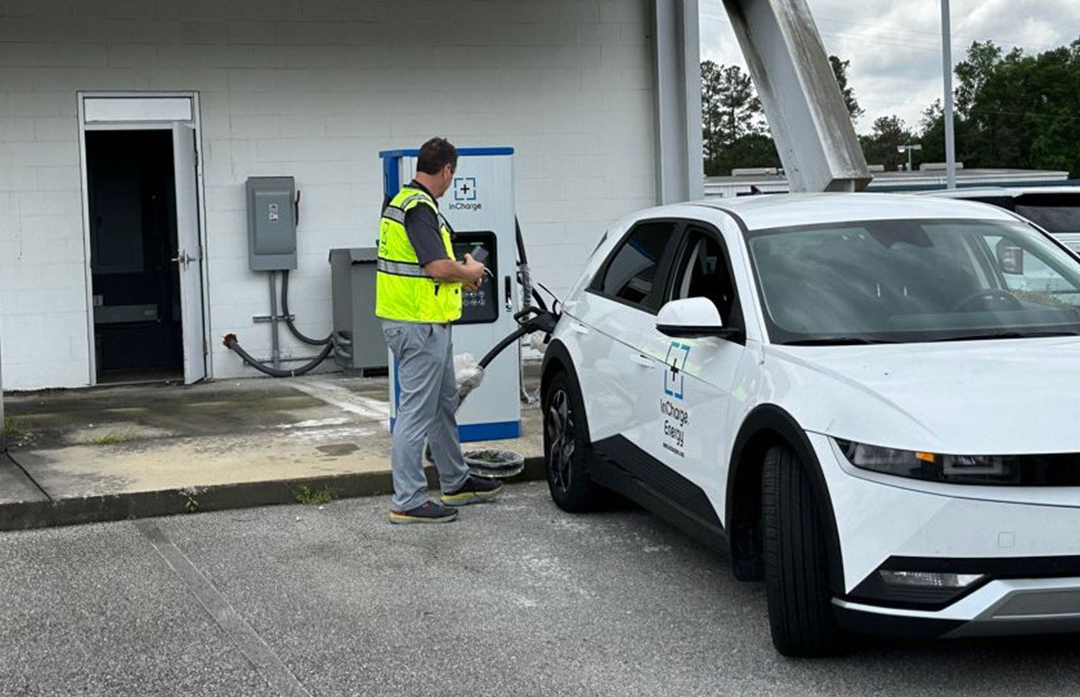
If you’ve ever wondered what keeps EV chargers humming day after day, I’ll let you in on a secret: it’s not luck, and it’s definitely not magic. It’s preventative maintenance. That’s where the real customer success story begins.
Why Preventative Maintenance Matters
Preventative maintenance is what gives site operators peace of mind and what lets me catch problems before they become expensive surprises.
A loose connector? A clogged air filter? A nest of spiders hiding inside the power cabinet? If I can catch those issues early, your chargers keep performing the way they’re supposed to – smoothly and consistently.
Most Chargers are Due for Preventative Maintenance
There are three big reasons why most chargers are due, if not overdue, for a preventative maintenance visit.
- Out of warranty – When coverage ends, proactive maintenance is critical to avoid costly downtime.
- Has never had a preventative maintenance visit – Stations running since install with zero inspections are at higher risk – don’t wait for a failure.
- High utilization – Busy chargers wear faster; frequent care keeps them reliable and revenue flowing.
When chargers go too long without a tune-up, the little things start adding up and cause big headaches later.
What a Preventative Maintenance Visit Actually Looks Like
People sometimes imagine technicians just wiping down the station and hitting a reset button, but that’s not the case. A proper preventative maintenance visit is detailed, hands-on, and essential for long-term performance. Here’s what it includes:
1. Thorough Station Inspection
I start with a full walkaround. I’m looking for:
- Damage, rust, or the kind of general wear most people don’t notice
- Dirty or clogged air filters (for units that have them)
- Signs of vandalism, weather damage, or pest activity
- Debris buildup around the unit
- Anything that might affect airflow, access, or operation
Then I perform a full charging test using an EV to make sure the station behaves exactly the way it should.
2. Plug and Cord Care
The plug and cord take a beating – rain, cold, heavy hands, tight turns. I check for cracks, fraying, or loose connectors. Then I clean everything thoroughly.
3. Pedestal Inspection (If You’ve Got One)
For units on a pedestal, I test the cable holster, retractor, and clamp. These moving parts wear down over time and catching that early keeps cables secure and safe. I also inspect the pedestal for damage or rust, just like the main unit.
4. The Post-Inspection Report
After everything is checked and cleaned, you get a full report. It includes:
- A summary of what I inspected
- Notes on any issues I found
- Photos from the visit
- Recommended fixes, if needed
It’s a snapshot of your charger’s health – and a roadmap for keeping it in top shape.
A Technician’s Takeaway
Preventative maintenance isn’t glamorous, but it’s the quiet hero behind every reliable charging session. It’s what keeps fleets on schedule, drivers happy, and charging sites stress-free.
Schedule your preventative maintenance visit today: https://inchargeus.com/get-ev-charger-support/