
Solar, Microgrid, & Battery Storage
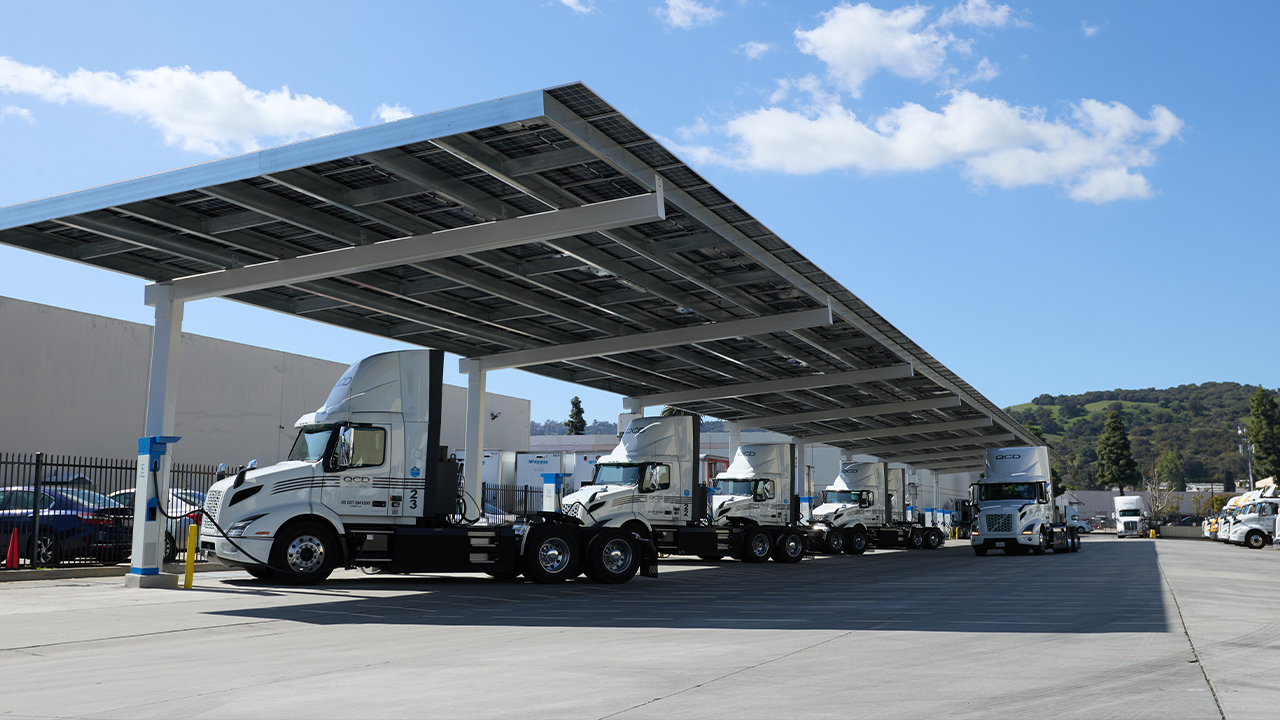
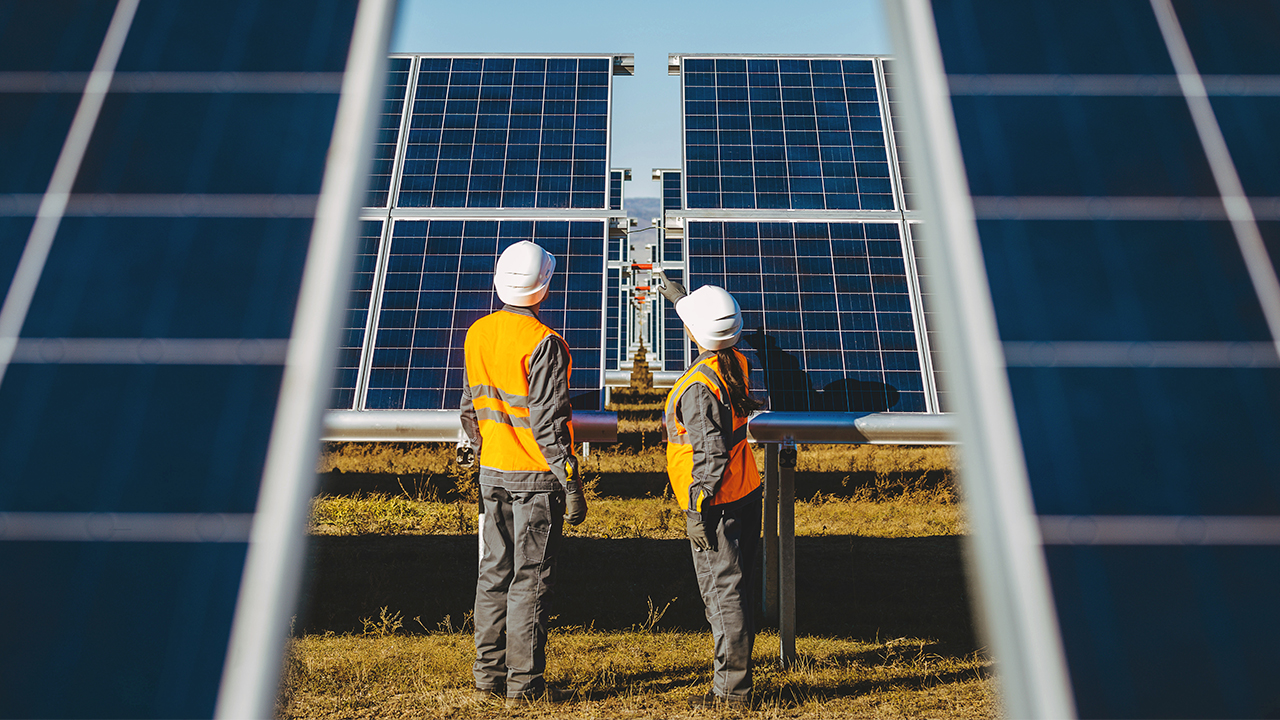
Energy costs are rising, and grid reliability isn’t guaranteed. Solar, microgrid, and battery energy storage put you back in control with renewable energy sources. We design, deliver, and maintain integrated systems that help you cut energy bills, improve resilience, and stay online even when the grid goes down.
Whether you’re looking to offset energy usage, reduce demand charges, or build a fully resilient microgrid, we bring all the engineering, installation, and support together through one partner.
Solar
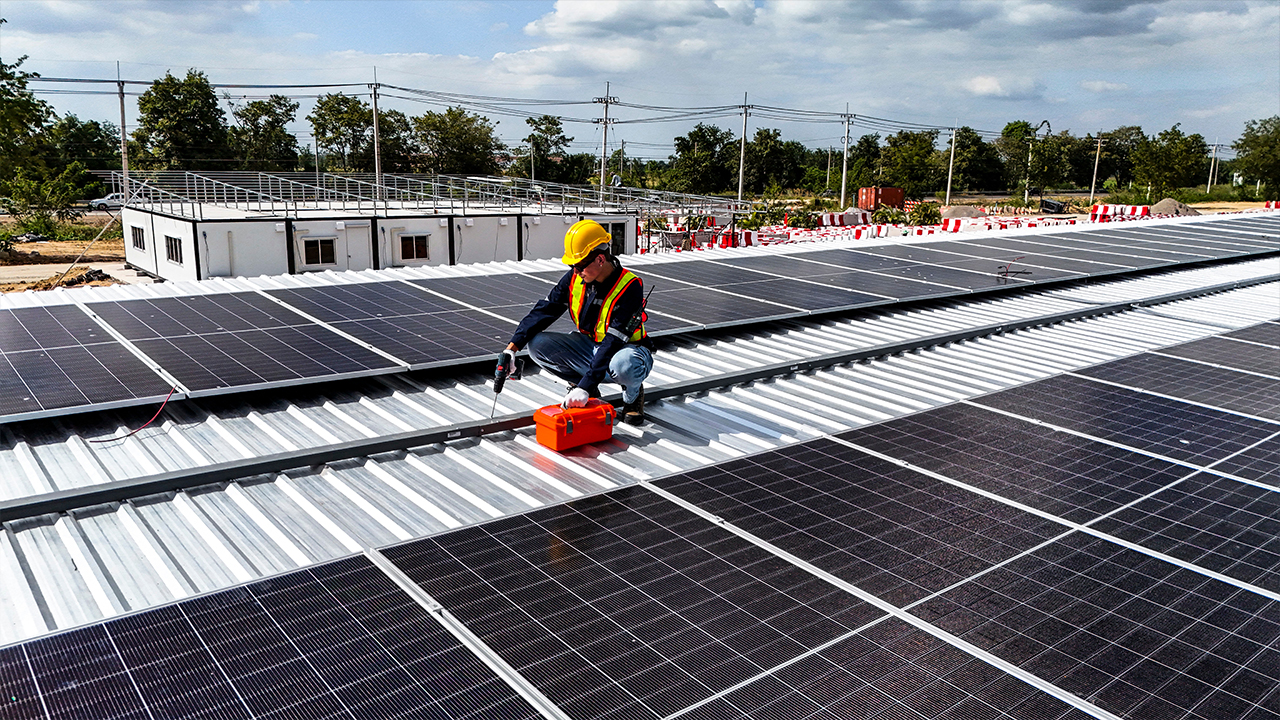
Generate clean, affordable energy right at your facility. We design, install, and service solar systems that lower your operating costs and reduce reliance on the grid. Our solar capabilities include:
- Roof-mounted and ground-mounted solar arrays
- Structural and electrical engineering
- Utility connection
- Service and maintenance
From small sites to large deployments, we build systems that deliver predictable energy for years to come.
Battery Energy Storage Systems (BESS)
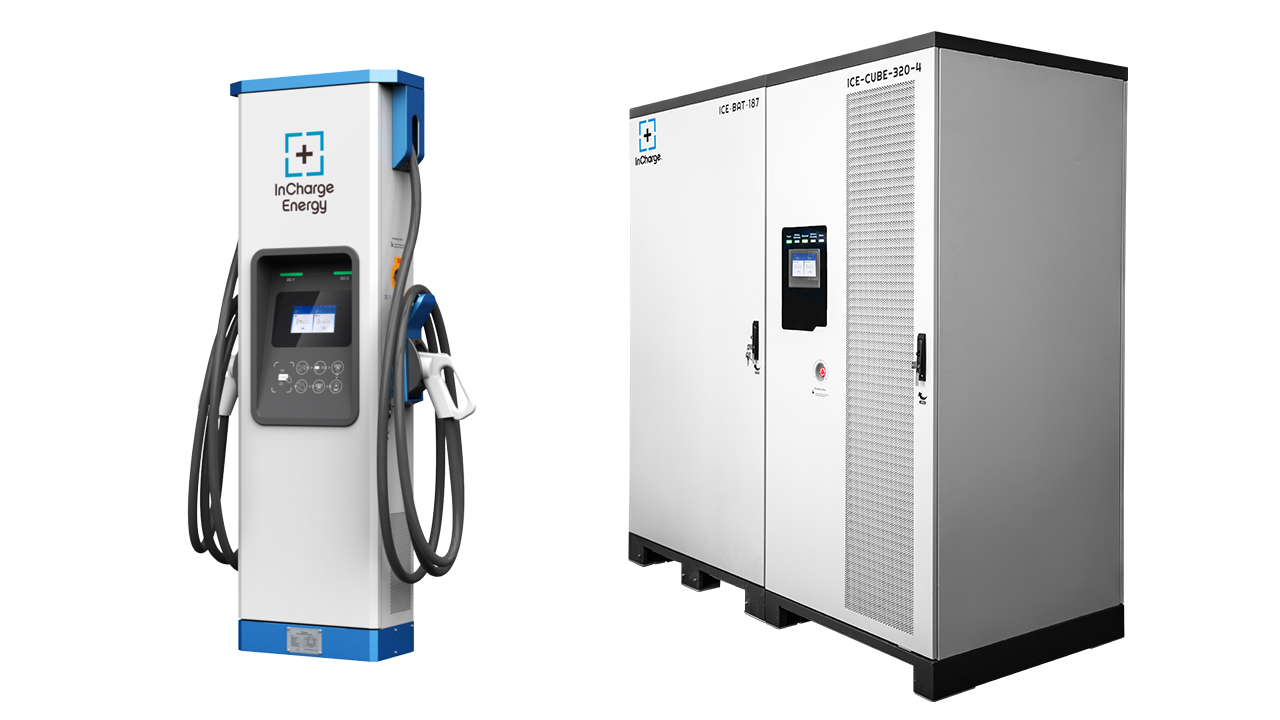
Take control of when and how you use energy. Battery storage helps you reduce demand charges, shift load to off-peak hours, and keep critical systems powered during outages. Our BESS solutions include:
- Storage systems
- Peak shaving and demand management
- Backup power for essential loads
- Integration with EV charging and solar
- Real-time monitoring and remote management through the InControl™ platform
The result: lower costs and a more resilient energy strategy.
Microgrid
Tie solar, storage, and traditional power together in one cohesive system with a microgrid. We engineer and deploy microgrids designed for resilience, allowing your operations to continue even during grid interruptions. Microgrid capabilities include:
- System design and power modeling
- Solar and storage integration
- Backup generator integration
- Islanding functionality for full or partial site operation
With a microgrid in place, your facility stays powered and productive.

We’re here to support you from start to finish.
• End‑to‑end Operations & Maintenance for utility‑scale solar, battery energy storage (BESS), and microgrid systems, delivering maximum uptime, predictable performance, and long‑term asset value.
• Single‑point accountability across the full O&M lifecycle—from commissioning support and 24/7 monitoring to preventative maintenance, corrective actions, and performance optimization.
• Proven expertise operating complex, integrated solar‑plus‑storage and microgrid assets, ensuring reliable dispatch, seamless controls integration, and grid‑compliant operation.
• Data‑driven O&M approach leveraging advanced monitoring, analytics, and diagnostics to identify issues early, reduce downtime, and protect revenue.
• Comprehensive preventative and corrective maintenance programs designed to extend equipment life, preserve warranties, and minimize lifecycle costs.
• Experienced in managing utility‑scale portfolios, coordinating field teams, OEMs, and vendors to execute safely, efficiently, and at scale.
• Focused on bankability and reliability, meeting lender, utility, and regulatory requirements while ensuring safe, resilient operations.
Frequently Asked Questions
What is a solar, microgrid, and battery storage system?
A solar, microgrid, and battery storage system combines renewable energy generation, energy storage, and intelligent power management into a single solution. Solar panels generate electricity during the day, BESS store excess energy for later use, and a microgrid coordinates power from multiple sources, including the utility grid and backup generators, to improve efficiency, reliability, and energy independence.
What are the benefits of installing a BESS?
BESS help businesses reduce utility costs by storing electricity when rates are lower and using it during peak demand periods. They can also provide backup power during outages, improve energy resilience, support renewable energy integration, and help reduce demand charges. When paired with solar, battery storage maximizes the value of renewable energy by storing excess generation for use when the sun is not shining.
How does a microgrid improve business continuity?
A microgrid allows your facility to continue operating even if the utility grid experiences an outage. By intelligently managing power from solar arrays, battery storage, generators, and the electrical grid, a microgrid can automatically isolate itself from the grid (known as islanding) and continue supplying electricity to critical equipment or the entire facility, depending on system design.
Can solar panels work during a power outage?
Standard grid-connected solar systems typically shut down during a utility outage for safety reasons. However, when solar is combined with battery energy storage and a properly designed microgrid, the system can continue supplying power to designated loads during an outage. This allows businesses to maintain critical operations while improving overall energy resilience.
What types of facilities benefit from solar, battery storage, and microgrids?
Commercial buildings, manufacturing facilities, warehouses, distribution centers, municipalities, healthcare campuses, educational institutions, utilities, and industrial operations can all benefit from integrated energy solutions. Organizations with high electricity usage, critical operations, or sustainability goals often see the greatest value from combining solar generation, battery storage, and microgrid technology.
Can battery storage be integrated with EV charging stations?
Yes. Battery energy storage systems can work alongside EV charging infrastructure to reduce peak electrical demand, improve charging reliability, and help avoid costly utility demand charges. Integrating battery storage with solar generation also enables businesses to charge electric vehicles using more renewable energy while reducing reliance on the electrical grid.
What services are included in Operations and Maintenance (O&M)?
Operations and maintenance services typically include system monitoring, preventative maintenance, corrective repairs, performance optimization, diagnostics, commissioning support, warranty coordination, and 24/7 monitoring. A comprehensive O&M program helps maximize system uptime, extend equipment life, protect manufacturer warranties, and ensure solar, battery storage, and microgrid assets continue operating at peak performance.
How long do solar and battery energy systems last?
Most commercial solar panels are designed to operate for 25 years or more with minimal performance degradation. Battery energy storage systems generally have service lives ranging from 10 to 20 years, depending on battery chemistry, usage patterns, and maintenance practices. Routine inspections and preventative maintenance help maximize the lifespan and performance of both systems.
Can an existing facility add solar or battery storage later?
Yes. Many facilities begin with one energy solution and expand over time. Existing electrical infrastructure can often be upgraded to accommodate solar arrays, battery storage systems, EV charging stations, or a full microgrid. An engineering assessment helps determine the best approach based on your facility’s electrical system, available space, and long-term energy goals.
One partner for your energy needs.
From electrical and lighting to EV charging and site infrastructure, we are your long-term energy solutions partner – from design and installation through ongoing maintenance.