Electricity supports nearly every part of a business, from lighting and production equipment to refrigeration and fleet charging. When power becomes unavailable, the consequences can extend beyond the utility bill. Delayed deliveries, interrupted services, and lost operating time can affect customers and revenue.
A microgrid gives businesses and organizations another way to manage that dependence. By coordinating local energy resources, storage, and electricity demand, it can support essential operations and provide more control over how energy is used.
The right approach starts with understanding what your organization needs to keep running, how much electricity those activities require, and where greater flexibility would help.
For organizations evaluating these options, InCharge Energy brings together EV charging, electrical and lighting services, solar, battery storage, and microgrid solutions. Understanding how these systems work together is the first step toward building an energy strategy around daily performance.
What Is a Microgrid?
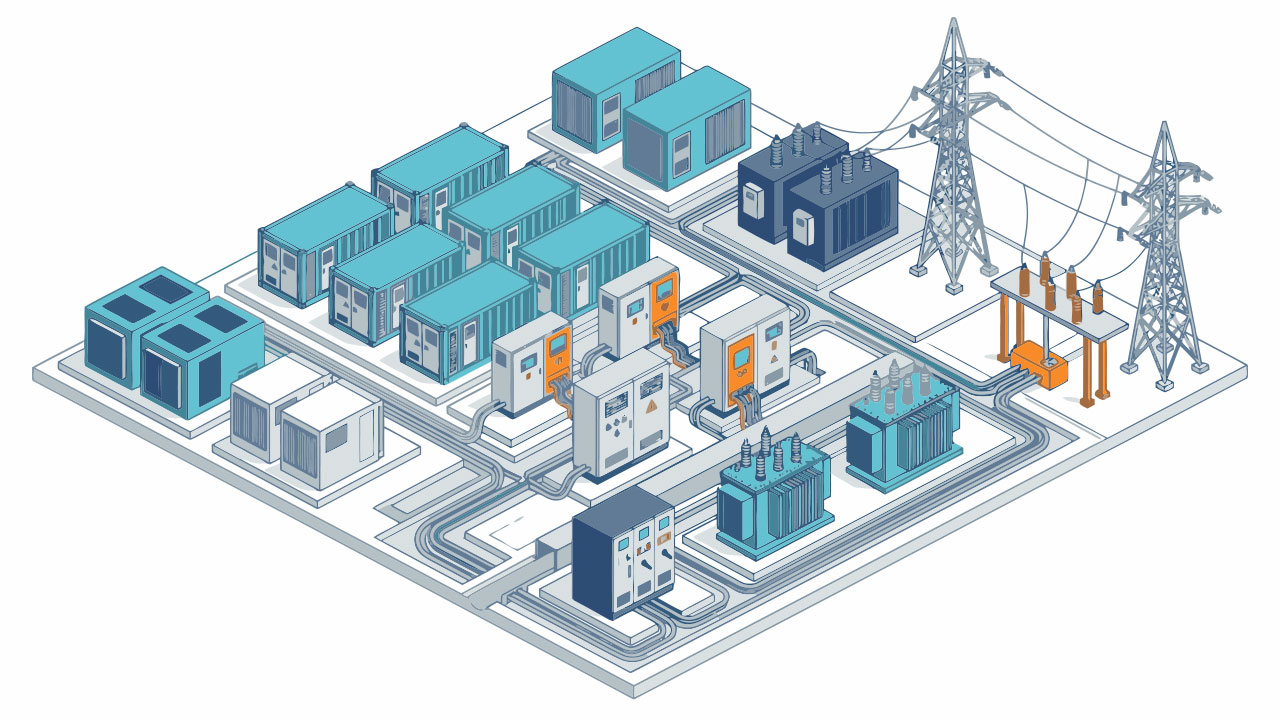
A microgrid is a group of connected electrical loads and local energy resources within a defined electrical boundary, coordinated as one controllable system. A load is anything that consumes electricity, such as a conveyor, lighting circuit, refrigeration unit, or charging station.
Local resources may include solar panels, battery storage, and generators. The defining feature is their coordinated operation: the system manages electricity supply and demand within its boundary. Many business microgrids operate in two modes. In grid-connected mode, they remain connected to the utility and coordinate local resources with purchased electricity. In islanded mode, they operate separately from the utility grid and supply designated loads using available local resources.
The electrical boundary might cover an entire facility, a campus, or selected circuits serving essential equipment. Its size depends on the operational purpose and engineering design.
Installing solar panels or a battery does not automatically establish an island-capable microgrid. Independent operation requires compatible controls, protection, switching, and equipment capable of maintaining the local electrical system.
This distinction matters when comparing proposals. A system designed to lower electricity purchases may have different capabilities from one designed to maintain selected operations during an outage.
How Can a Microgrid Benefit a Business?
Support Critical Operations During Grid Outages
A microgrid can help maintain selected activities when utility power is unavailable. For a distribution center, those activities might include refrigeration, communications, and priority vehicle charging. For a municipal facility, they might include essential equipment and public service functions. Microgrids can reduce transmission losses and pressure on electrical grids by generating power close to consumption points.
Resilience should be defined through specific operating goals:
- Which loads must remain powered?
- For how long?
- What interruptions can the organization tolerate?
The answers determine the required resources. Storage capacity, battery charge level, generator availability, fuel supply, and changing demand all influence how long a site can operate independently. A microgrid designed for critical circuits should not be assumed to support every connected device. Useful performance measures include the amount of critical demand supported, the planned operating duration, and the time required to restore selected activities. Recording these targets gives facility managers a basis for reviewing proposals and acceptance testing. It also helps executives understand exactly what the resilience investment is intended to deliver.
Manage Electricity Costs
Commercial electricity bills can include charges for energy consumption and peak demand. Energy charges reflect electricity used over time. Demand charges depend on measured power demand under the applicable tariff. By coordinating solar production, battery discharge, and flexible equipment schedules, a microgrid may reduce expensive demand peaks. Where time-of-use pricing applies, it may also shift some electricity purchases to less expensive periods. Actual savings depend on the tariff and site operating profile. For example, a facility might find that charging vehicles immediately after a shift creates its highest demand of the day. Moving eligible sessions later could reduce that peak before additional equipment is considered. Storage can then be evaluated against the remaining demand. This sequence helps avoid buying capacity to solve a scheduling problem.
Support Renewable Energy Goals
On-site solar can supply part of a facility’s electricity demand, while storage can make some of that energy available later. This can support organizational renewable energy objectives alongside operational priorities. Emissions outcomes require a project-specific assessment. They depend on which energy sources are displaced, how batteries are charged, and how often fuel-powered generation operates. A microgrid can incorporate renewable resources without operating entirely on renewable energy.
Plan for Changing Energy Needs
Fleet expansion, additional production equipment, and new operating shifts can change a site’s energy requirements. Considering those changes during planning helps teams evaluate space, distribution capacity, controls, and future equipment connections. This does not eliminate the need for future upgrades. It gives organizations a clearer basis for sequencing investments and avoiding decisions that unnecessarily limit expansion.
How Microgrids Work with the Main Grid
During normal operation, a grid-connected microgrid can use utility electricity alongside local generation and stored energy. The operating strategy determines how those resources contribute throughout the day.
For example, solar might serve daytime equipment loads while a battery remains available for an expected demand peak. At another time, the battery might discharge to support charging demand or preserve a limit on utility imports.
A microgrid controller coordinates these actions according to the system’s design and operating priorities. It monitors conditions and communicates with compatible equipment to help balance supply and demand.
Exporting surplus electricity is a separate consideration. Whether a facility can send electricity to the grid, and under what conditions, depends on its approved utility interconnection arrangement.
What Happens During an Outage?
When an island-capable system separates from the utility, switching and protective equipment establish a safe electrical boundary. Local resources then support the designated loads according to the operating plan.
Some equipment may need to pause while the island is established. Transition speed depends on the design, and facilities with especially sensitive equipment may require additional power continuity measures.
If available supply becomes constrained, the controls may reduce or disconnect lower-priority loads. Essential services can receive priority over activities that can wait. Reconnection requires more than detecting that utility power has returned. The system must meet the required electrical and operational conditions before reconnecting.
The Main Components of a Business Microgrid
On-Site Generation
Solar photovoltaic systems convert sunlight into electricity. Roof-mounted or ground-mounted arrays may suit different sites, depending on available space, structural conditions, and exposure. Other generation resources may also be appropriate. The mix should reflect the facility’s demand, operating schedule, resilience requirements, and location.
Battery Energy Storage Systems
A battery energy storage system (BESS) stores electricity for later use. Depending on its configuration, it can support peak demand management, load shifting, and backup operation.
Two measurements are particularly important. Power capacity, measured in kilowatts, describes the rate at which the system can deliver electricity. Energy capacity, measured in kilowatt-hours, describes the amount it can store.
As a simplified illustration, 1,000 kilowatt-hours of usable stored energy could support a constant 250-kilowatt load for about four hours before accounting for losses and other operating constraints. Actual performance requires detailed modeling.
Backup Generators
Generators can supplement solar and storage during extended outages. Their suitability depends on fuel availability, operating restrictions, maintenance needs, emissions, and the required duration of support.
Controls, Protection, and Electrical Infrastructure
Controllers coordinate resources, while inverters provide the electrical conversion and operating functions required by the design. Switchgear, protective devices, panels, and distribution equipment connect resources to the loads they serve. \
These components must work together safely in both normal and islanded operation. Existing equipment may require upgrades before new resources can be integrated. Resource compatibility deserves attention early. A battery, generator, and charging system may each perform well individually yet require additional interfaces or configuration to work together.
Project teams should document control responsibilities, communication requirements, and expected responses to equipment faults before procurement. This makes integration requirements visible while design choices remain flexible.
Critical and Flexible Loads
Critical loads support activities that must continue. Flexible loads can be adjusted within defined limits. Some EV charging sessions can provide flexibility when vehicle schedules allow it.
InCharge Energy’s solar, microgrid, and battery storage services include system design, power modeling, resource integration, and islanding capabilities. That scope connects individual assets to an overall operating strategy.
How Solar and Battery Storage Work Together in a Microgrid
Solar and storage perform different jobs. Solar generates electricity when sunlight is available. Batteries store electricity and release it when the operating strategy calls for it. Consider a facility with strong daytime solar production. Some generated electricity can serve equipment immediately. If production exceeds current demand and the design permits it, surplus energy can charge the battery.
Later, stored energy may support evening operations, reduce a demand peak, or help charge vehicles returning from routes. The battery’s contribution depends on its available energy and discharge capability.
The controller must also account for competing priorities. Using most of the stored energy to reduce today’s bill could leave less available for an unexpected outage. Maintaining a backup reserve changes how much capacity is available for routine cost management.
Forecasts, operating schedules, and agreed priorities help determine that balance. A facility expecting severe weather may adopt a different operating strategy from one following its normal weekday schedule. Solar production also varies with weather, shading, season, and equipment condition. Planning should evaluate those variations against demand throughout the year.
A conventional grid-tied solar installation generally disconnects during a utility outage unless configured with the equipment and controls needed for independent operation. Solar-plus-storage also requires appropriate design to support islanding. For decision makers, the practical question is how the combined system performs against operational goals across ordinary days, demand peaks, and outages.
How Microgrids Support EV Charging and Fleet Readiness
For fleets, facilities, and organizations, EV charging supports vehicle readiness and daily performance. Its value depends on vehicles receiving the energy they need before they return to service. When multiple vehicles charge simultaneously, they can create a substantial increase in site demand. That increase may coincide with production equipment, refrigeration, or other facility loads.
Managed charging can coordinate charging sessions with available electrical capacity, solar output, storage, and utility pricing. The charging plan should begin with required departure times, expected route energy, and the time each vehicle remains parked.
A delivery vehicle leaving early may need priority over one scheduled for a later shift. Vehicles parked during daylight may be able to use more on-site solar directly. Overnight operations may require a different combination of grid supply and stored energy.
During an outage, charging becomes part of the wider continuity plan. The available resources may support only selected vehicles or a reduced charging rate while essential facility equipment remains powered. Those decisions should be established before an interruption. Fleet teams need to know which vehicles receive priority, what service level remains possible, and how changes will be communicated.
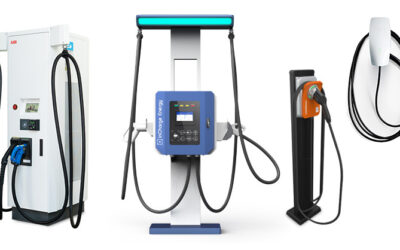
Equipment selection should follow those requirements. Charging speed, compatibility, service access, and integration capabilities matter more than selecting every device from one manufacturer.
InCharge Energy’s EV charging services cover planning, site assessment, deployment, software integration, and ongoing support. Connecting that work with broader energy planning helps organizations evaluate charging as part of the facility’s overall electricity needs.
Consider an illustrative depot where ten vehicles each need 60 kilowatt-hours before departure. The fleet requires 600 kilowatt-hours delivered to the vehicles, plus charging losses. The energy team must then determine when that energy can be supplied alongside other facility needs. Total energy, available charging time, and maximum simultaneous demand all shape the operating plan.
Where Businesses and Organizations Can Use Microgrids
Fleet Depots and Transportation Facilities
Delivery fleets, transit operators, and school transportation providers depend on predictable vehicle availability. Microgrid planning can align charging priorities with departure schedules and the essential activities supporting transportation services.
Industrial, Warehouse, and Municipal Facilities
Manufacturing sites may prioritize selected production processes and supporting equipment. Warehouses may focus on refrigeration, inventory systems, and material handling. Municipal facilities may need to preserve essential public services. Each application requires a clear definition of what must continue and what can temporarily stop.
Healthcare and Other Critical Facilities
Healthcare organizations may evaluate microgrids to support selected essential operations and broader energy management objectives. Integration requires careful consideration of existing emergency systems and facility requirements. A microgrid does not automatically replace required emergency power arrangements. Its role must be evaluated within the facility’s applicable requirements and engineered operating plan.
Commercial Real Estate
Commercial properties can evaluate microgrids around essential building systems, shared infrastructure, and operational continuity. Priorities may include security systems, communications, selected lighting, and equipment supporting occupied spaces.
Planning should define which areas receive backup support, how energy costs are allocated, and who controls operating decisions. Ownership arrangements, lease terms, metering, and maintenance responsibilities can influence the appropriate design.
For properties with multiple occupants, the definition of essential service may vary between spaces. A clear agreement on supported circuits, operating priorities, and communication during outages helps align expectations. Those decisions should be reflected in the technical scope and the property’s management procedures.
Planning a Microgrid: Costs, Site Readiness, and Project Requirements
Define Operational Goals First
Start with the business problem. Is the priority outage support, demand management, renewable generation, fleet growth, or a combination? Identify critical loads and the duration of support required. Include the consequences of interruptions so the engineering team can distinguish essential requirements from desirable features.
Review Energy and Operating Data
Electricity bills provide a starting point, but interval demand data reveals when loads occur. Equipment schedules, vehicle charging patterns, and seasonal changes help build a more useful operating profile. Future changes matter too. An expanding fleet or additional production shift can materially change the system needed.
Assess the Site and Existing Infrastructure
Evaluate solar exposure, structural suitability, equipment space, access, and existing electrical capacity. Review panels, switchgear, distribution circuits, and the connections required for new resources. Efficiency improvements belong in this assessment. LED lighting and suitable controls can reduce demand, which may influence the generation and storage needed to serve selected loads.
InCharge Energy’s electrical and lighting services include infrastructure upgrades, distribution systems, lighting retrofits, and controls. Addressing these needs alongside energy resources helps establish a practical foundation for integration.
The assessment should include conversations with the people running the site. A facility manager may identify an essential pump missing from the initial load list. A fleet supervisor may explain why a nominally flexible charging session cannot move. These details help turn electricity data into a design that reflects actual work.
Plan Approvals and Project Delivery
Utility coordination, permitting, equipment approvals, and applicable safety requirements affect project scope and timing. Responsibilities should be clear across engineering, construction, commissioning, and operations.
The project plan should also account for equipment availability and any interruptions required to modify existing systems. Before installation begins, establish how the finished system will be evaluated. Acceptance criteria might address resource coordination, priority loads, outage procedures, and operator training. Defining those expectations in advance helps keep equipment selection and construction aligned with the outcomes the organization expects.
Compare Lifecycle Costs and Alternatives
Evaluate engineering, equipment, construction, maintenance, operating costs, and future replacements. Battery degradation and warranty conditions should inform the financial model. Benefits should be tested against realistic assumptions about demand, tariffs, outages, and operating priorities.
Avoid adding savings from different services without checking whether they compete for the same battery capacity. A feasibility assessment should also compare alternatives. Managed charging, efficiency improvements, or solar-plus-storage without islanding may address some objectives with a different investment. The appropriate solution is the one that meets the organization’s requirements with a supportable operating and financial plan.
Organizations managing multiple locations should evaluate each site’s conditions before adopting a standard design. Electricity rates, available space, utility requirements, and operating schedules can differ substantially across a portfolio.
A common assessment process can still help teams compare opportunities consistently, establish investment priorities, and define service expectations. The result should be a coordinated program that allows site requirements to guide individual projects while maintaining clear oversight and accountability for every participating team.
Monitoring, Maintenance, and Long-Term Performance
Commissioning establishes whether installed equipment and controls perform as intended. Ongoing inspections, preventive maintenance, and periodic operational testing help preserve that performance as equipment ages and site needs change.
Monitoring should support action. Teams need a process for reviewing equipment condition, investigating reduced output, responding to alarms, and documenting repairs. Records also help identify recurring issues and plan replacements.
InCharge Energy’s InControl™ platform supports connected asset visibility, maintenance information, and service workflows, with functions depending on the asset and connection. These capabilities support operations alongside the microgrid controller responsible for electrical coordination.
Cybersecurity should be addressed through appropriate access permissions, protected communications, update procedures, and clear responsibilities across connected systems. Operational teams should understand who manages each connection and responds when issues arise.
InCharge Energy also provides operations and maintenance services across charging and other energy infrastructure. Linking monitoring with service support helps organizations turn performance information into timely maintenance decisions.
Operating procedures should remain current as the site changes. Adding vehicles, changing shifts, or installing new equipment can alter demand and charging priorities. Assigning responsibility for reviewing these changes helps prevent the operating plan from drifting away from the conditions used in the original design.
Building an Energy Strategy Around Your Operations
A useful microgrid strategy starts with the activities your organization needs to sustain. Solar, storage, electrical infrastructure, lighting, and charging should be evaluated together against those requirements.
For businesses and organizations of all sizes nationwide, that process can reveal where coordinated energy resources offer value and where simpler improvements may be sufficient.
InCharge Energy connects infrastructure planning, deployment, software, and ongoing support across these energy needs.
To explore the right approach for your site, contact InCharge Energy to discuss operating priorities, existing infrastructure, and future demand.