Choosing the right EV charging levels is a site planning decision that reaches beyond the charger purchase. Each level affects charging speed, electrical infrastructure, utility costs, maintenance needs, and daily operations.
For fleets and organizations, level 1 vs level 2 vs level 3 charging comes down to dwell time, vehicle duty cycles, power availability, and long-range growth plans. A workplace with vehicles parked all day may have very different needs than a depot that must prepare electric vehicles for fixed routes each morning.
InCharge Energy helps organizations plan, deploy, and maintain commercial EV charging programs. The team supports design-build services, charger hardware across multiple manufacturers, software, and long-term maintenance. This guide explains how to choose EV chargers based on real operating needs.
Charger Types Overview
Electric vehicle charging is usually grouped into three categories: Level 1, Level 2, and Level 3. These EV charging levels describe how much power a charger can deliver and what type of electrical infrastructure is needed.
Level 1 charging uses a standard 120V outlet and adds about 5 miles of range per hour. Level 2 EV charging uses a dedicated 240V power supply, or 208V service in many commercial settings, and often adds 10 to 40 miles of range per hour. Level 3 charging, also called DC fast charging or DCFC, uses high-voltage commercial direct current systems and can charge an EV to 80% in about 20 to 40 minutes.
For commercial planning, teams should focus on which mix of EV chargers supports the site’s schedule, vehicles, power capacity, and budget.
What Is Level 1 EV Charging?
Level 1 charging is the lowest-power option. It uses a standard 120V outlet and typically requires no special installation work. That makes it the lowest-cost charging option, but it is also the slowest.
In commercial settings, Level 1 may fit low-mileage vehicles, plug-in hybrids, or vehicles parked for long periods. It is often too slow for fleet operations with fixed routes, high mileage, or short charging windows.
For site planning, Level 1 usually works best as a support option for most commercial fleets. When vehicle readiness matters, organizations usually need higher-power EV charging stations.
What Is Level 2 EV Charging?
Level 2 charging is a common option for workplaces, depots, campuses, municipal sites, and facilities where vehicles have longer dwell times. Level 2 chargers require a dedicated 240V circuit, and commercial installations may use 208V service depending on the site. Professional installation is usually required for these circuits.
Level 2 has moderate hardware and installation costs. Level 2 charger installation costs may fall in the $749 to $2,500 range. Commercial projects may vary based on panel capacity, conduit runs, charger count, permitting, and site conditions.
Networked Level 2 chargers can support scheduling, access control, billing, reporting, and energy management. For fleets with overnight parking, Level 2 may support depot charging when the schedule allows enough time.
Is it better to charge Level 1 or Level 2? For most commercial sites, Level 2 is more useful because it charges faster and supports more vehicles. Level 1 may work for light-duty or backup needs, but it is often too slow for daily fleet operations.
What Is Level 3 EV Charging?
Level 3 charging uses DC fast charging to deliver power directly to the vehicle battery. These chargers need industrial-grade power connections and significant electrical infrastructure. Common DCFC power tiers are in the 50 kW to 350 kW range.
Level 3 has high equipment and installation costs. Installation can exceed $10,000, and many Level 3 charger projects can cost between $10,000 and $50,000 to install. Actual costs depend on utility service, switchgear, trenching, layout, and charger output.
DC fast charging is often a strong fit for high-utilization corridors, depots with tight route schedules, public charging sites, and fleet recovery charging. For fleets, Level 3 chargers can support quick-turn scheduling when vehicles need to return to service between routes or during short dwell windows. Planning should also account for battery temperature, charging frequency, and charging speed, since repeated fast charging can affect long-term battery performance. Level 3 planning must include utility capacity, demand charges, switchgear, conduit, and service support.
Power, Utility, and Site Infrastructure
EV chargers place new demands on the electrical system. Before selecting equipment, organizations should assess available utility capacity, utility service equipment, switchgear, panels, conduit routes, parking layout, and future expansion needs.
Level 2 projects may require panel upgrades or new circuits. Level 3 projects often require larger electrical service, utility coordination, new switchgear, and more site work. For DC fast installations, teams should plan switchgear capacity, conduit routes, trenching needs, charger placement, and room for future expansion early in the design process. Demand charges and peak billing can also affect total cost, especially when multiple chargers operate at the same time.
Energy-efficient planning should include equipment selection, standby losses, charger scheduling, and load management.
Energy Management and Battery Storage Integration
Energy management becomes more important as sites add more EV charging stations. Smart charging can schedule charging sessions, reduce peak demand, balance loads, and help avoid panel overloading.
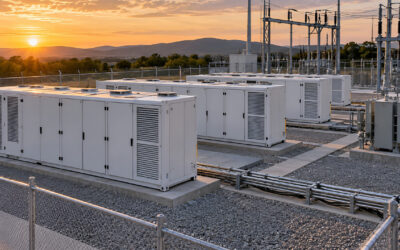
Onsite battery energy storage can also support charging programs. Battery energy storage systems may help with peak shaving, demand charge management, and phased growth when utility capacity is limited. For some sites, energy planning may also include V1G smart charging, which controls when vehicles charge, or V2X-ready planning for future bidirectional charging use cases.
InCharge Energy’s InControl platform can support charging visibility, energy management, and maintenance workflows. This helps organizations manage uptime, cost control, and vehicle readiness.
Cost and Incentives
For fleet and facility teams, EV charger cost planning should start with more than the equipment price. Installation, energy use, utility upgrades, maintenance, software, networking, and future expansion all affect the total cost of ownership. Level 1 is usually the lowest-cost option, Level 2 has moderate hardware and installation costs, and Level 3 has the highest equipment and infrastructure costs.
Organizations should also review federal, state, utility, and local incentives that may apply to fleet charging or charging stations. Incentives can change by location and program.
Total cost of ownership should include the charger price, energy expenses, and maintenance expenses. A lower-cost charger may not be the best option if it does not support uptime, reporting, service access, or the charging schedule.
Operations, Maintenance, and Reliability
Charging infrastructure needs to work when vehicles are scheduled for service. That makes operations and maintenance planning part of the charging strategy, not an afterthought. Fleet and facility teams should define service levels, uptime goals, remote monitoring needs, fault alerts, spare parts access, warranty processes, and field service support before deployment.
Charger telemetry and remote monitoring can help teams identify issues earlier, diagnose faults, and decide when an onsite service visit is needed. This visibility is especially important when EV chargers support daily routes, shift schedules, or public charging operations.
InCharge uses in-house technicians trained across multiple charger brands. That support model helps organizations manage EV chargers as operating assets across their service life.
Site Selection and Deployment Strategy
A strong deployment strategy starts with electrical feasibility and site surveys. Teams should review where vehicles park, how long they stay, which routes they serve, where conduit can run, and how traffic moves through the site.
Many fleet sites benefit from a mixed layout that combines Level 2 charging for longer dwell times with DCFC for quick-turn needs. Modular infrastructure can help organizations scale in phases as more vehicles are added.
For charging station layout, teams should also consider cable management, outdoor-rated enclosures, accessibility, spacing, lighting, and maintenance access.
Fleet Charging Strategies
Fleet charging plans should be built around vehicle schedules, dwell time, and route requirements. Overnight depot charging can work well when vehicles return at predictable times and stay parked long enough. Opportunity charging can support mid-route recovery when vehicles need additional power during the day.
Load management helps allocate power across vehicles without overloading panels. Charging schedules can prioritize vehicles by state of charge, route needs, departure times, and operating importance.
For fleets with fixed schedules and high use, DC fast charging often plays a central role. Level 2 can still support longer parking periods.
Safety, Standards, and Charger Compatibility
Commercial electric vehicle charging should account for connector standards, technical requirements, and network compatibility. Depending on the vehicles and site, organizations may need CCS, CHAdeMO, J1772, or other connector types.
How do you know if a charging station is Level 2 or 3? Look at the power output, connector type, and charging method. Level 2 uses AC power and is typically tied to 208V or 240V service. Level 3 uses DC fast charging with much higher power levels.
Can you use a Level 3 adapter on a Level 2 charger? In practical terms, no. An adapter cannot make a Level 2 charger deliver DC fast charging. The charger, vehicle, connector, and electrical system must all support the charging method.
Are Tesla chargers Level 2 or Level 3? They can be either. Tesla Wall Connectors are Level 2 equipment, while Tesla Superchargers are DC fast chargers. For mixed fleets, procurement should account for vehicle connectors, access control, and network rules.
Procurement and Network Management
Procurement should look beyond the charger cabinet. Organizations should evaluate charge management compatibility, APIs, OCPP support, network options, access control, billing policies, reporting, and service workflows.
This helps teams compare EV chargers based on daily operation instead of equipment cost alone. The right solution should support fleet schedules, energy strategy, charger uptime, driver access, and future site growth.
Planning a Commercial EV Charging Program
Organizations planning EV charging should begin with a commercial site audit that reviews electrical capacity, vehicle schedules, parking layout, utility costs, charging goals, and future expansion plans.
The next step is to compare charger types, estimate total cost of ownership, review incentives, and create a phased deployment roadmap.
InCharge helps organizations plan, deploy, monitor, and maintain commercial charging infrastructure. If your team is comparing EV charging levels or planning new EV charging stations, InCharge can help assess the site and build a practical path forward.