For years, conversations about electrification have centered around one question: Can the grid handle it?
Recent events have started to reveal a different reality.
During last month’s heat wave across much of the United States, electric vehicles did not become a burden on the grid. They became part of the solution. Vehicle-to-grid (V2G) programs allowed participating EVs to discharge stored energy back to the grid during periods of peak demand, helping utilities maintain stability when electricity consumption peaked. [electrek.co]
It is an important reminder that electrification, when paired with intelligent energy infrastructure, can strengthen, not strain, the grid.
But V2G is only one piece of a much larger energy resilience strategy.
Resilience Starts with Smarter Infrastructure
Energy resilience is often associated with storms, outages, and emergency preparedness. But resilient infrastructure delivers value every day.
Organizations today are navigating:
- Rising energy costs
- Utility capacity constraints
- Growing power requirements from electrification
- More frequent extreme weather events
- Increased operational risk from downtime
Meeting these challenges requires an integrated approach to managing energy across an entire site. When charging infrastructure, distributed energy resources, microgrids, and energy management technologies work together, organizations gain greater control over how energy is used, reduce dependence on the grid during peak demand, and improve operational continuity when grid conditions become less predictable.
Solving Today’s Energy Challenges Without Waiting for the Grid
One of the biggest misconceptions surrounding electrification is that every new project requires a major utility upgrade.
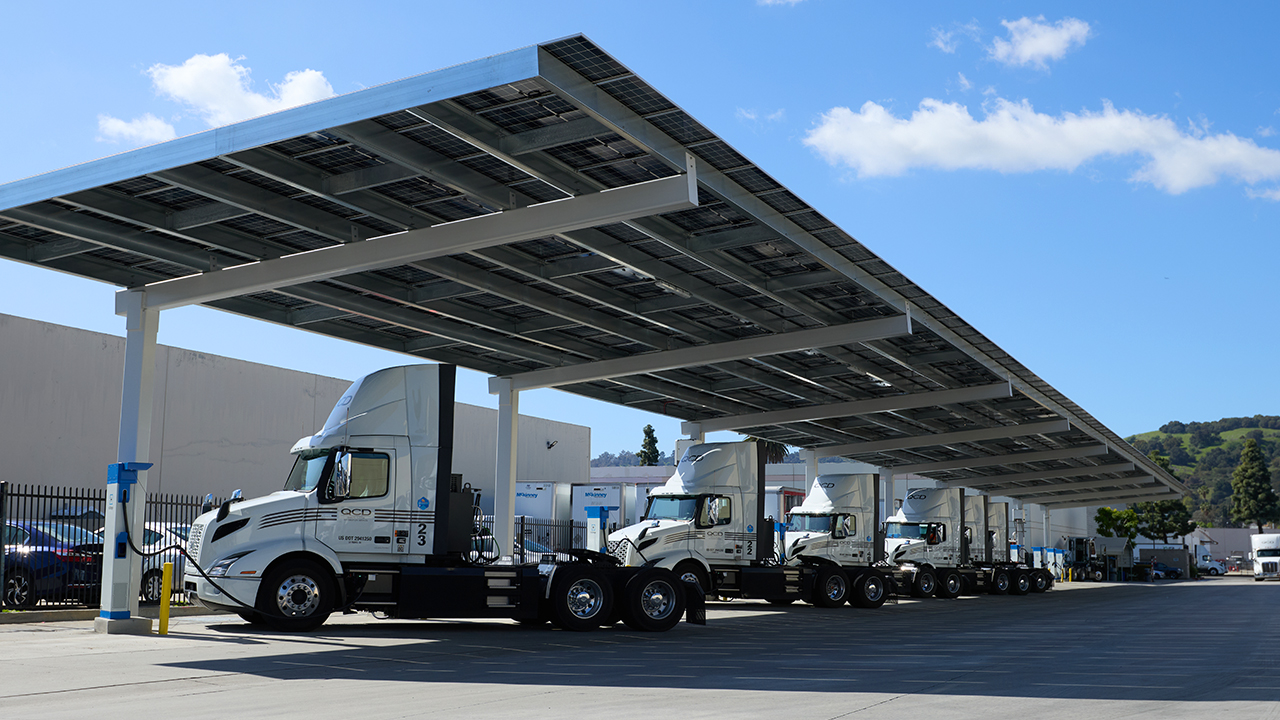
Quality Custom Distribution (QCD), one of North America’s leading foodservice distributors, faced a challenge familiar to many organizations pursuing electrification: energy demand was growing faster than available capacity. Rather than waiting for additional grid infrastructure, QCD deployed an integrated solution that combined EV charging, solar, and onsite energy resources to support fleet electrification while making better use of the power already available.
This mindset is becoming increasingly important as facilities add new loads, electrify operations, and look for ways to improve resiliency without incurring unnecessary infrastructure costs.
Resilience Matters Every Day
When people hear “energy resilience,” they often think about emergencies, but the business value goes well beyond disaster recovery.
Resilient energy infrastructure can help organizations:
- Manage rising electricity costs
- Reduce operational risk
- Avoid or defer costly infrastructure upgrades
- Support participation in utility demand response programs
- Improve business continuity during unexpected disruptions
Organizations that can better manage energy are often better positioned to adapt as market conditions, energy prices, and operational demands change.
From Energy Consumers to Energy Participants
The recent heat wave demonstrated something many people didn’t expect: electrified assets can be part of the solution, not just another demand on the grid. It also offered a glimpse into where the energy landscape is headed.
For decades, organizations have been focused on consuming power. Today, they’re increasingly looking for ways to generate, store, manage, and optimize energy across their operations.
It’s no longer enough to simply add charging infrastructure. As energy demands grow, organizations need a more integrated approach to managing power across their sites. That means building the infrastructure, visibility, and operational control needed to make energy more resilient, flexible, and efficient.
The companies best positioned for the future won’t simply have access to energy. They’ll understand how to make the most of it.