Energy infrastructure is scaling fast. That means more chargers, more sites, and more moving parts for the teams responsible for keeping their operations running.
When something goes wrong, most platforms are good at one thing: telling you. But knowing a problem exists is only the starting line. The real work — tracking it, coordinating the right people, following it through to resolution — often happens in a far less structured way. Emails, phone calls, manual status checks, disconnected workflows.
As charging networks grow and uptime expectations rise, that kind of operational friction isn’t sustainable.
InControl™ Cases is built to close that gap.
Visibility Into What’s Actually Happening
There’s a meaningful difference between knowing your assets have an issue and knowing where that issue is in the resolution process.
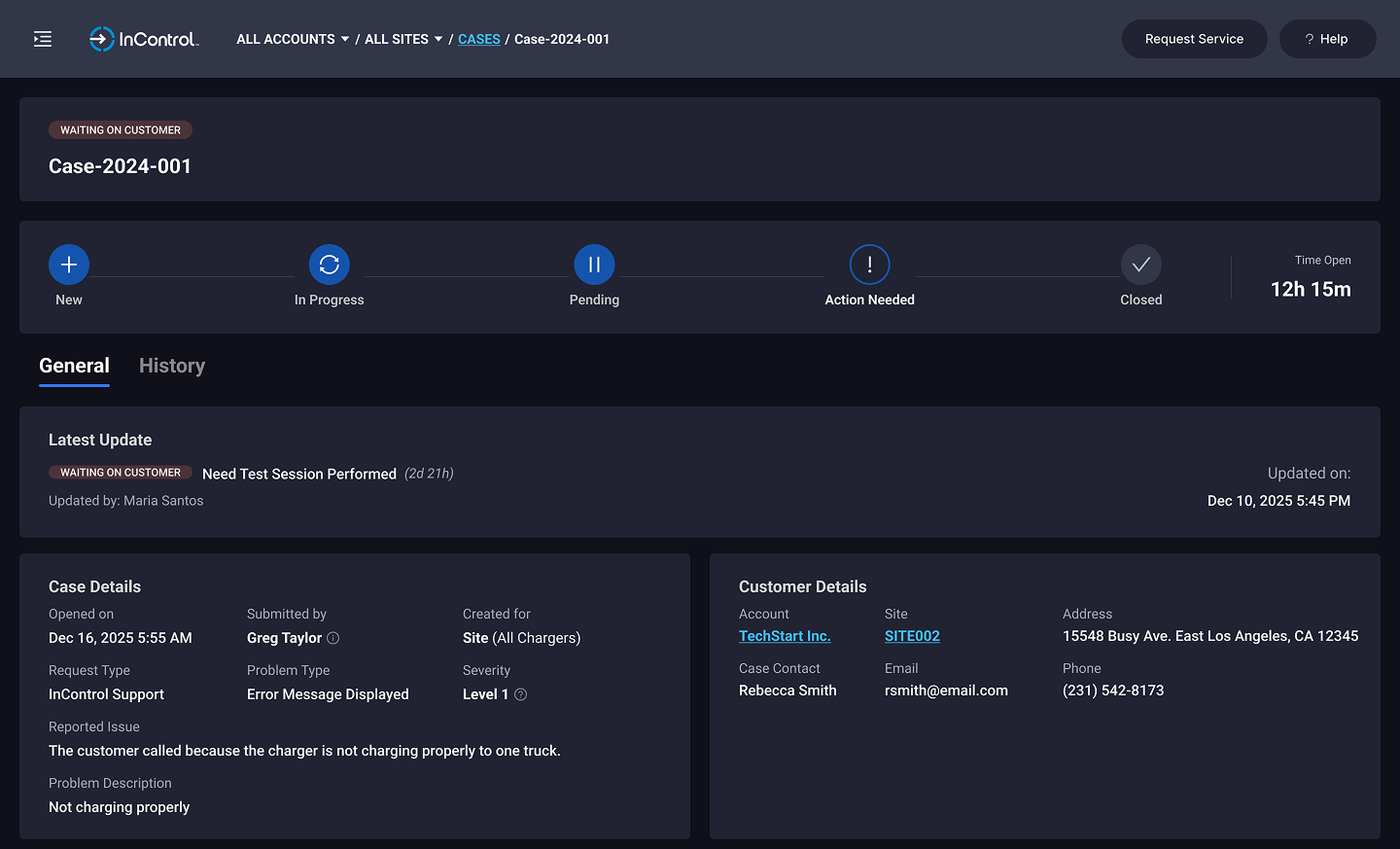
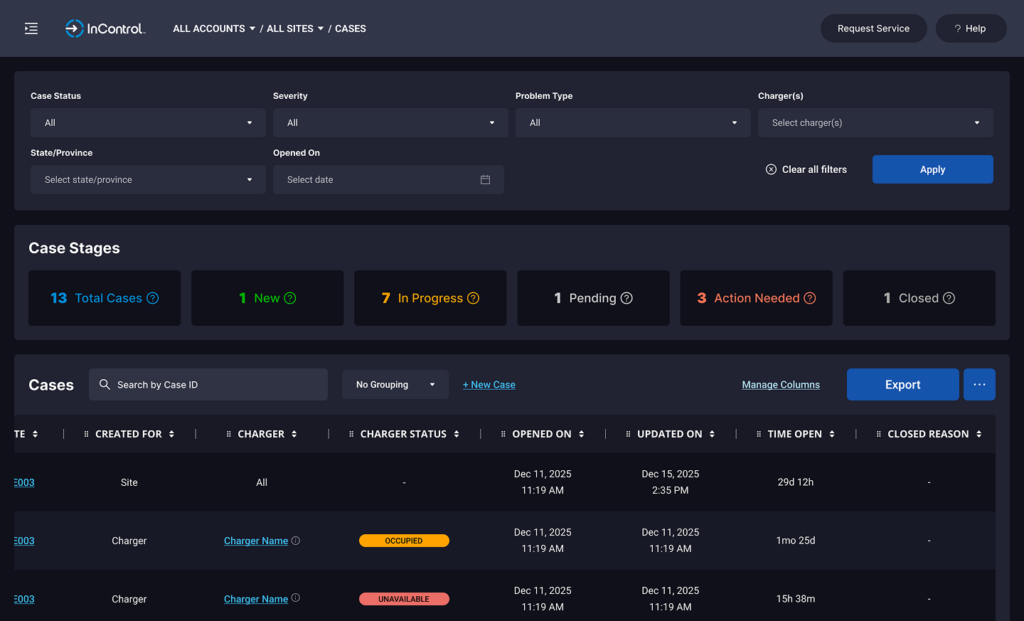
InControl™ gives operational teams clearer insight into issue progression through status history, timestamps, and time-in-stage tracking. That visibility reduces the need for manual follow-ups, helps surface service bottlenecks, and keeps stakeholders across your organization aligned — without anyone having to chase down updates.
For teams managing multiple sites or large operational fleets, this kind of structured oversight can meaningfully simplify day-to-day operations.
Operational Context That Doesn’t Get Lost in the Workflow
Operational issues rarely move through a single step before resolution.
A case may involve monitoring, OEM coordination, dispatch scheduling, parts replacement, and multiple status updates throughout the troubleshooting process. Without clear historical visibility, teams can spend unnecessary time tracking updates across systems or following up manually for status updates.
The History tab within Cases provides a centralized timeline of case activity, helping teams better understand how issues progressed over time.
With timestamped status updates and visibility into stage progression, teams can:
- See how long cases remained in each operational stage
- Track updates as issues move through the workflow
- Identify where delays or bottlenecks occurred
- Understand who updated or interacted with a case
- Maintain clearer visibility across teams and stakeholders
This added transparency helps create a more complete operational record while improving coordination and reducing ambiguity throughout the support process.
Spot Patterns Across Your Network, Not Just Individual Assets
A single issue can be a one-off. The same issue appearing across multiple assets at multiple sites is a signal worth acting on.
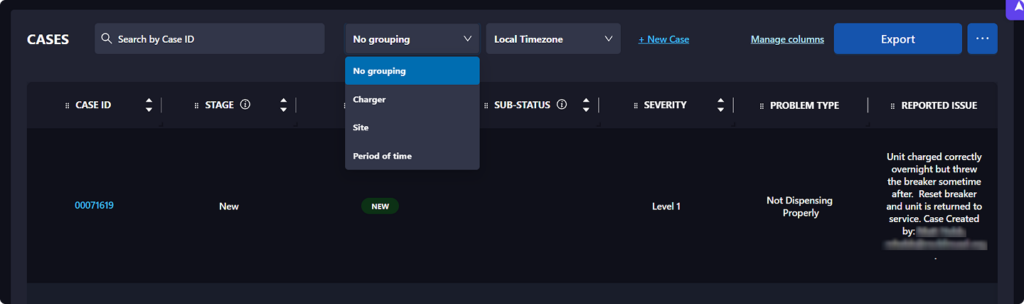
Grouping capabilities within InControl™ help teams analyze cases across chargers, sites, and time periods — making it easier to identify recurring issues, surface frequently impacted assets, and better understand operational trends across the broader infrastructure network.
Instead of reviewing problems in isolation, operators gain a broader view of their infrastructure: what’s working, what’s struggling, and where attention is most needed.
Infrastructure Issues Rarely Exist in Isolation
Operational disruptions don’t always originate from an individual asset. A transformer issue, switchgear fault, site-level power disruption, battery storage problem, or network interruption can impact multiple chargers and operational systems simultaneously.
Managing these events through charger-only workflows can create operational blind spots when the issue is actually affecting broader site infrastructure.
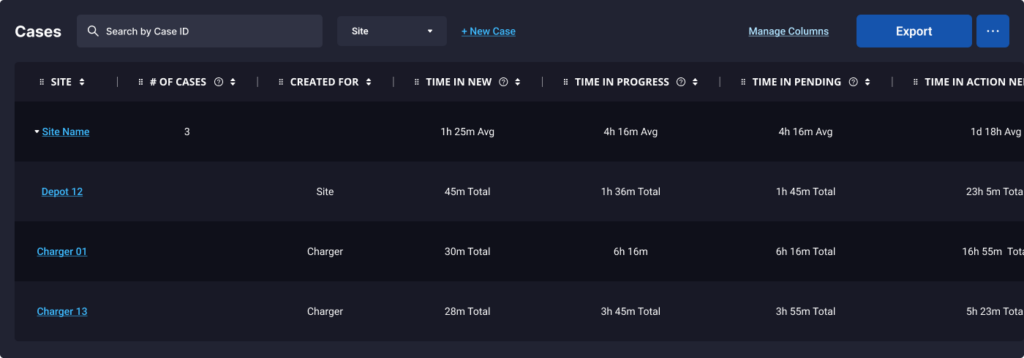
InControl™ Cases supports both charger-level and site-level case management, helping teams create and track operational issues based on how the problem is actually occurring in the field.
Whether an issue is tied to a single charger, an entire site, or supporting infrastructure equipment, teams can manage service activity with clearer operational context across the broader infrastructure environment.
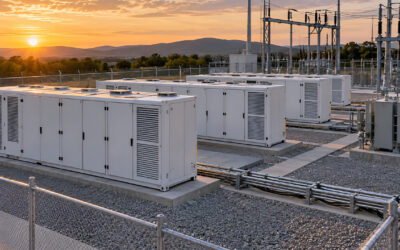
From chargers and transformers to switchgear, battery energy storage systems, generators, transfer switches, panels, and additional site equipment, InControl™ Cases helps teams manage operational issues across interconnected EV and energy infrastructure systems.
Built for the Operational Reality of Modern EV Infrastructure
As EV and other energy solutions infrastructure scales, operational complexity extends far beyond individual chargers.
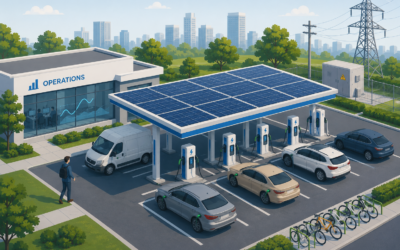
Organizations are now managing interconnected site ecosystems that include charging hardware, power distribution equipment, energy storage systems, site controls, and supporting electrical infrastructure — all of which influence uptime, service coordination, and operational performance.
The teams succeeding long term are building centralized operational visibility across that entire environment.
InControl™ is designed to support that evolution through:
- centralized infrastructure visibility
- structured issue management
- cross-site operational coordination
- clearer service workflows
- infrastructure-wide operational intelligence
Because reliable EV operations require more than charger management alone.