What Is Level 2 EV Charging?
Introduction to Level 2 EV Charging
As electric vehicles (EVs) become more common, understanding charging options is essential. Level 2 EV charging , also known as AC charging, offers a practical balance between speed and convenience, making it a preferred choice for many businesses and fleet operators.
Level 2 chargers operate on a 208 to 240-volt power supply, delivering much faster charging than standard household outlets. They can typically add 15 to 40 miles of range per hour, making them ideal for overnight charging for fleets or for longer parking durations at workplaces and public locations.
Compared to Level 1 charging, which is slower and less efficient, Level 2 provides a reliable daily solution. While Level 3 fast charging offers much quicker speeds, it is less commonly available and better suited for long-distance travel. With increasing installation in homes, workplaces, and public spaces, Level 2 charging continues to play a key role in supporting the growing adoption of electric vehicles.
Benefits of Level 2 Charging for Electric Vehicles
Level 2 charging offers a range of advantages that make it well-suited for everyday EV use. Its combination of speed, efficiency, and accessibility allows fleet operators to recharge vehicles predictably and conveniently across depot, workplace, and public locations.
One of the primary benefits is charging efficiency. Compared to Level 1, Level 2 systems deliver significantly faster charging times, often replenishing a full battery in just a few hours. This reduces downtime, supports daily driving needs, and eliminates the need for frequent reliance on fast-charging stations. The result is a more seamless ownership experience, especially for fleet operators managing daily vehicle rotations.
Level 2 charging also contributes positively to battery health. Because it delivers moderate power levels through AC charging, it places less strain on the battery than high-speed DC fast charging. This helps reduce heat buildup and gradual battery degradation over time, supporting long-term performance and extending overall vehicle lifespan.
Level 2 charging is widely supported across the EV market. It works with both battery electric vehicles (BEVs) and plug-in hybrid electric vehicles (PHEVs), making it a versatile solution for a broad range of vehicles and commercial applications. Most modern EVs are designed to integrate easily with Level 2 infrastructure, further reinforcing its role as a standard charging option.
Commercial Installation and Costs
Commercial Level 2 charging installations require careful planning across several key areas. A qualified electrical contractor should assess the site’s existing infrastructure, including available electrical capacity, distribution panel capacity, conduit routing, and the number of charging units needed. For fleet depots or large facilities, this may involve significant electrical upgrades to support multiple simultaneous charging sessions. Professional installation by a licensed electrician is essential to ensure safety, code compliance, and optimal long-term performance.
Initial Costs
Commercial installation costs vary based on site conditions, number of units, and electrical infrastructure requirements. Common cost components include:
- Charging equipment: Commercial Level 2 units typically range from $500 to $3,000 per unit depending on power output, smart connectivity, and network capabilities
- Electrical infrastructure: Site electrical upgrades, panel work, and conduit installation can range from $2,000 to $15,000 or more depending on facility size and existing capacity
- Installation labor: Commercial electrician costs vary by project scope, number of units, and regional labor rates
- Permits and inspections: Commercial permit fees vary by municipality and project size
Incentives and Rebates
For commercial and fleet operators, additional programs may include:
- NEVI (National Electric Vehicle Infrastructure) Formula Program: federal funding supporting EV charging deployment along designated corridors
- Buy America Build America (BABA): requirements and incentives tied to federally funded charging projects
- Utility fleet programs: many utility companies offer demand response incentives, rebates, or reduced rates specifically for commercial fleet charging operations
- State fleet electrification grants: several states offer targeted funding for fleet operators transitioning to EVs
Level 2 Charging and EV Battery Health
Compared to high-powered DC fast charging, Level 2 charging is generally gentler on EV batteries. It delivers alternating current (AC) that is converted within the vehicle, resulting in lower heat generation during the charging process. This reduction in heat is important, as excessive temperatures can accelerate battery degradation over time. By minimizing thermal stress, Level 2 charging helps preserve battery capacity and support a longer overall lifespan.
Modern electric vehicles are equipped with advanced battery management systems that prevent overcharging. Once the battery reaches its optimal charge level, the system automatically slows or stops the flow of electricity. This means that using a Level 2 charger overnight or for extended periods does not pose a significant risk of damage under normal conditions.
However, consistently charging to 100% may contribute to gradual wear over time, particularly for certain battery chemistries. While occasional full charges are necessary, especially for longer trips, daily charging habits can influence long-term performance.
To get the most out of Level 2 charging while protecting battery health, consider the following practices:
- Maintain a partial charge range: Keeping the battery between 20% and 80% for daily use can help reduce long-term degradation.
- Limit frequent full charges: Reserve charging to 100% for when it is needed, such as before extended drives.
- Avoid extreme temperatures: Whenever possible, charge in moderate conditions to minimize heat or cold-related stress.
- Use scheduled charging: Take advantage of built-in scheduling features to charge during off-peak hours and reduce strain on both the battery and the electrical grid.
Public EV Charging Infrastructure
Public EV charging infrastructure is rapidly expanding to include more Level 2 chargers, particularly in locations where vehicles are parked for extended periods, such as workplaces, retail centers, and multi-unit housing. For commercial fleet operators, Level 2 charging is increasingly being deployed at fleet depots, distribution centers, transit facilities, and municipal yards, where vehicles return regularly and dwell time makes overnight or shift-based charging practical and cost-effective.
Fleet operators can manage and monitor charging activity across multiple sites through charge management platforms, in-vehicle telematics, and network provider dashboards. While challenges such as installation costs and grid capacity remain, the continued growth of Level 2 networks presents a strong opportunity to improve fleet readiness, reduce fueling costs, and support broader electrification goals.
Renewable Energy and Level 2 EV Charging
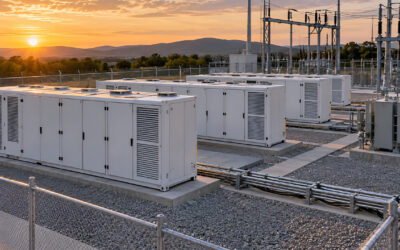
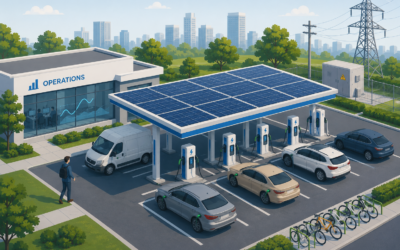
Level 2 EV charging can be effectively integrated with renewable energy sources such as solar and wind power, across both commercial and residential settings. For fleet operators and property managers, pairing Level 2 chargers with on-site solar generation or battery energy storage systems (BESS) can significantly reduce energy costs and support sustainability goals. Businesses can similarly pair Level 2 chargers with rooftop solar for commercial use, enabling EV charging with clean, self-generated electricity. In larger applications, charging stations may be connected to renewable energy systems or supported by battery storage, helping balance energy demand and improve grid efficiency.
Using renewable energy for EV charging offers clear environmental and economic benefits. It reduces greenhouse gas emissions associated with electricity generation, lowers long-term energy costs, and supports broader sustainability goals. There are already successful examples of solar-powered Level 2 charging installations in workplaces, parking facilities, and community spaces, demonstrating how clean energy and EV infrastructure can work together to create a more sustainable transportation ecosystem.
Safety Tips for Level 2 EV Charging
Using a Level 2 EV charger is generally safe when proper precautions are followed; the equipment is properly installed, and users review relevant documentation and guidelines. Key safety considerations include:
- Ensure professional installation: Always have a licensed electrician install your Level 2 charger to meet local electrical codes and avoid potential hazards.
- Use certified equipment: Choose chargers that are tested and certified by recognized safety organizations to ensure reliable operation.
- Inspect cables and connectors regularly: Check for signs of wear, fraying, or damage, and replace components if needed to prevent electrical issues.
- Keep the charging area dry and clear: Avoid exposing equipment to standing water, and maintain a clutter-free space around the charger.
- Follow manufacturer guidelines: Adhere to recommended usage instructions, including proper plug-in procedures and charging limits.
- Rely on built-in safety features: Modern Level 2 chargers include protections such as automatic shutoff, ground fault detection, and temperature monitoring to safeguard both the vehicle and user.
- Avoid extension cords: Plug the charger directly into its designated outlet to reduce the risk of overheating or electrical failure.
- Understand common misconceptions: Level 2 charging is designed with multiple safety layers.
Beyond equipment and installation, partnering with a certified service provider ensures your charging infrastructure stays operational long-term. InCharge Energy’s in-house technicians are trained across multiple charger brands and provide proactive maintenance, rapid issue resolution, and ongoing support, keeping your fleet on the road
Key Takeaways about Level 2 Charging
Level 2 EV charging is a critical component in the continued growth of electric vehicle adoption, offering a reliable balance of speed, convenience, and accessibility for everyday use. For fleet operators and facilities managers, it provides an efficient charging solution that supports fleet uptime and operational efficiency while helping preserve battery health and manage long-term costs.
Understanding how Level 2 charging works and how it fits into the broader charging landscape is key to making informed decisions and supporting the shift to electric transportation.
For fleet operators and facilities managers ready to move beyond installation and ensure their Level 2 infrastructure performs reliably day after day, InCharge Energy provides the maintenance and support expertise to make that happen. From proactive monitoring to rapid on-site repair, our in-house team is built around keeping your fleet charged and operational. Contact us to learn more about InService™ maintenance and support solutions.